
By Noah Monk, Junior Reporter
Osamu Dazai’s The Beggar Student is a short novella that highlights the often harsh inner monologues and emotions we feel in our everyday lives.
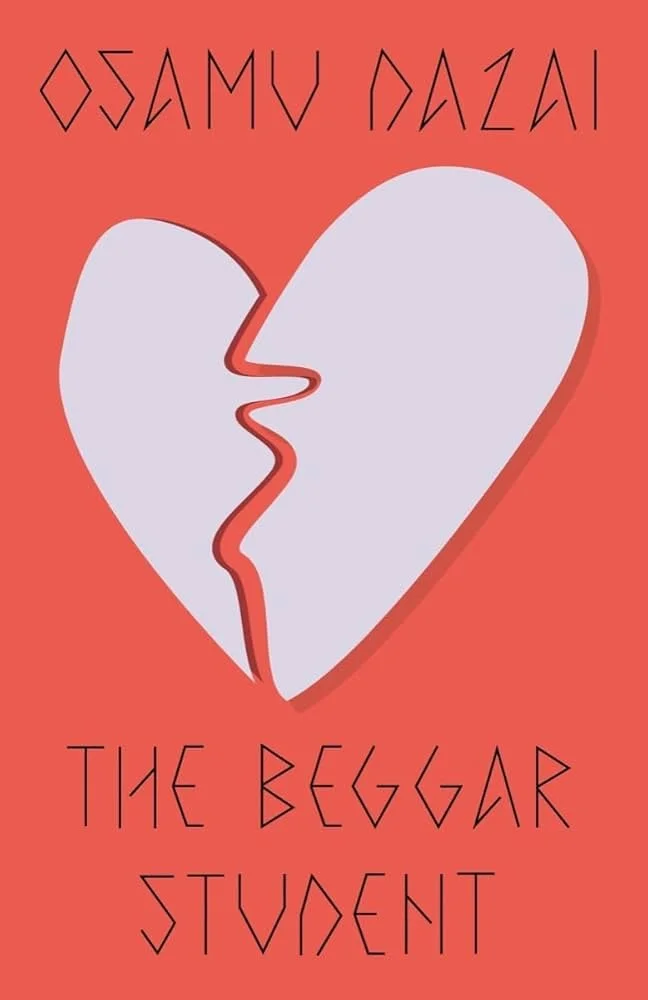
The story focuses on the perspective and experiences of a writer in his mid-thirties that lives on the brink of poverty, supporting himself through publishing stories in magazines. He soon finds himself in a confrontation with a young student whose arrogance challenges him and continually highlights the protagonist’s insecurities and flaws. In addition, the story reveals the protagonist's attempts to appear as a wiser, more dignified person to the youths, but ultimate failure to do so because of his insecurities.
Dazai’s protagonist remains nameless for a majority of the book, allowing the reader to blend in with the inner dialogues of the protagonist. In these dialogues, we see the protagonist picking apart everything about his writing and his character like a murder of crows and attempting to hide his weaknesses from the young student he rescues from drowning. Dazai effectively captures the inner dialogues reflecting the personal overcritical thoughts we have within ourselves, but also the outward attempts to hide our embarrassing flaws with almost prideful or dignified actions - something that is seldom portrayed with accuracy in literature.
My favourite aspect of this novella is that the author captures the overcritical inner monologue that many people like myself feel but try to keep hidden. Dazai’s The Beggar Student embodies the “you are your own worst enemy” thoughts so well that it does not feel softened for the sake of a good story. In other words, Dazai executes an excellent portrayal of the embarrassment and self-consciousness that often arises when we are unsettled as the student is in his interactions with the protagonist throughout the novella.
At times, however, there were fourth wall breaks in the story where the author would deliberately speak to the reader, which I felt interrupted the flow of the story and felt out of place. This was to the point where it left me wondering why they needed to be in the story at all. These meta-dialogue injections into the book may stylistically represent Dazai’s writing, but I think that given the blending introspective dialogues, these fourth wall breaks unnecessarily disrupt the flow of the novella.
I would recommend this novella to readers who enjoy psychological and introspective fiction that reveals the subtle flaws in people's characters that they often suppress whenever they become aware of them. The rating I would give this book is a four out of six, as I do not consider this book great like a world-changing work you find with Brave New World or Nineteen Eighty-Four. Additionally, I feel that even if you are looking for a good book and not a great book, The Beggar Student will not satisfy the good book requirement. I would say this book is a casual read, something you read to pass the time or when you want to read for relaxation, not something to seek out for an amazing story.
